Totem Poles
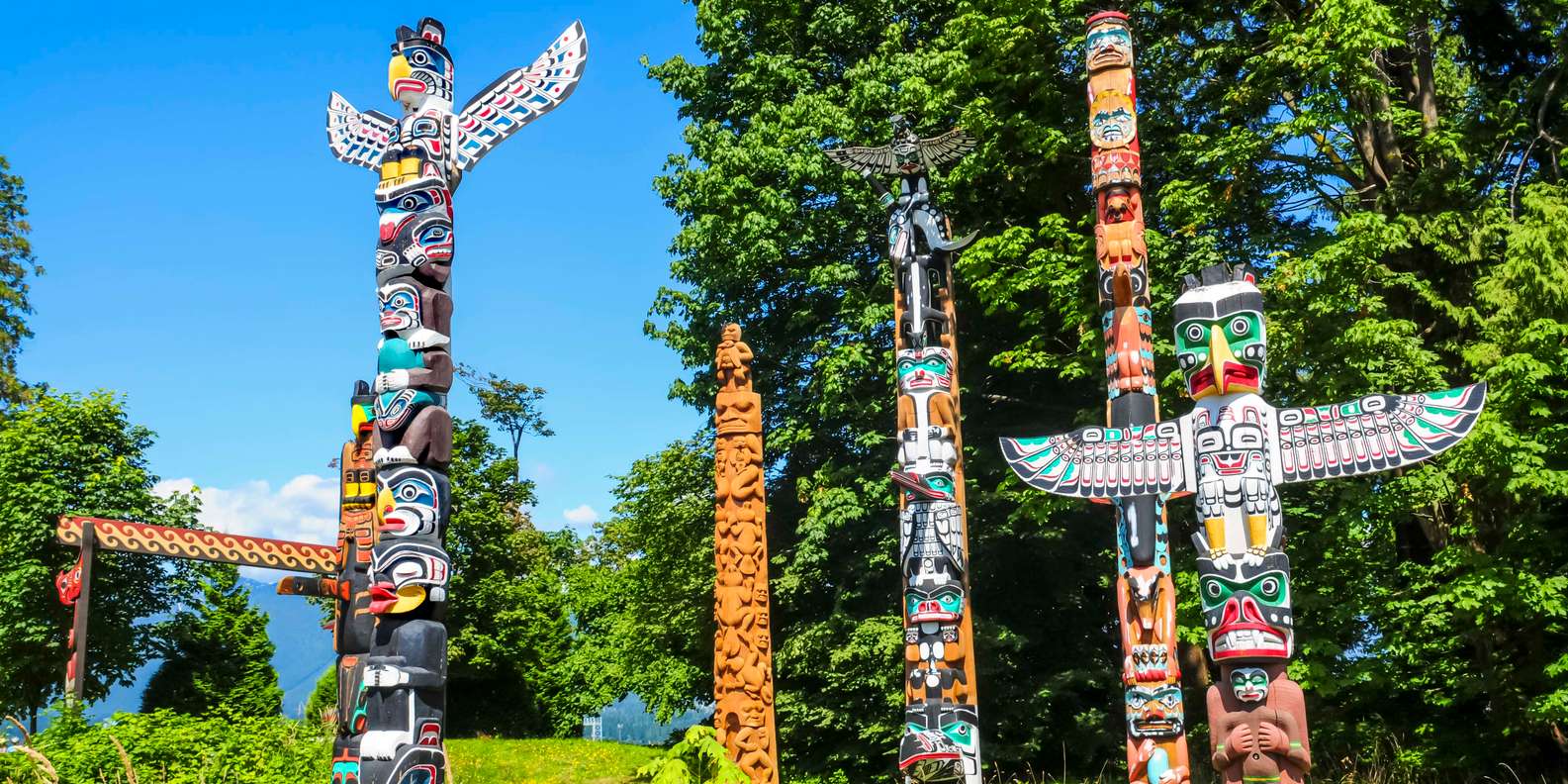
Located at Brockton Point, this site features eight hand-carved poles representing Indigenous history. Allow extra time to walk the path and view the craftsmanship up close.
Visit early to avoid crowds gathered around the display.

The Stanley Park Seawall loop is one of Vancouver's most popular cycling routes, wrapping around the peninsula with consistent ocean and forest views. Knowing how long the ride takes helps you schedule your arrival, plan for rental return windows, and decide whether to tackle the full circuit or turn back partway.
Quick answer
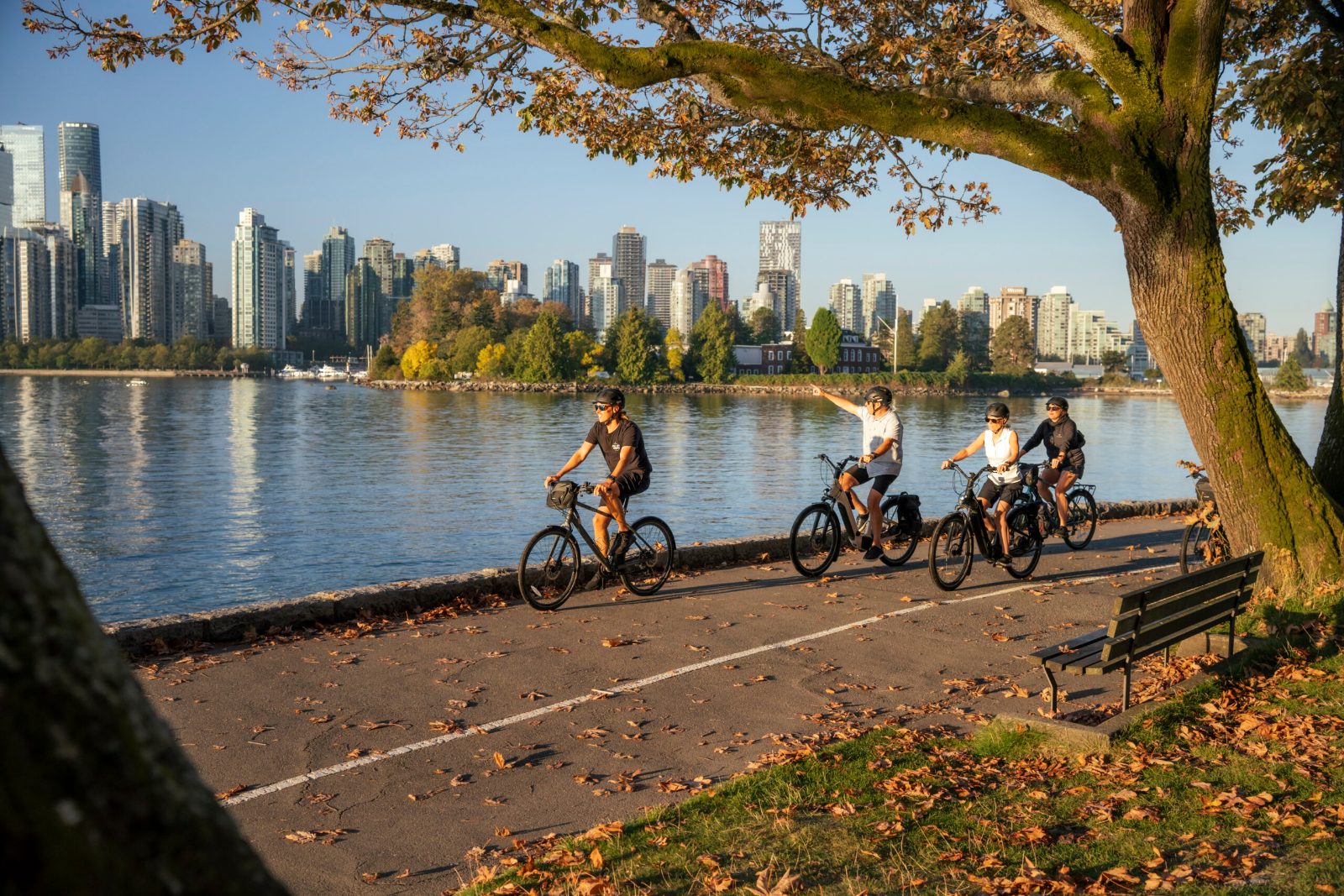
How long does it take to bike around Stanley Park? Most cyclists complete the 9-kilometre Seawall loop in 45 to 60 minutes at a recreational pace. Faster riders finish in 30 to 40 minutes, while families with children or those stopping frequently for photos typically need 75 to 90 minutes. The route is paved, mostly flat, and follows a dedicated path separated from pedestrian traffic for the majority of the loop.
The Seawall loop measures 9 kilometres from the Coal Harbour starting point back to the same spot, tracing the perimeter of Stanley Park with water on one side and forest on the other for most of the route. The path is entirely paved and maintained year-round, with only minor elevation changes near Prospect Point and Third Beach. Direction matters: cyclists must travel counterclockwise, while pedestrians and runners use the same path clockwise or walk the inner lane. Painted lane markings and posted signs reinforce the one-way rule, which Parks Board staff enforce during high-traffic periods. Your actual time on the Seawall depends less on fitness than on how often you stop. The route passes Brockton Point with its lighthouse and totem poles, the Lions Gate Bridge overhead viewpoint at Prospect Point, Third Beach's driftwood-lined shore, and Second Beach with its pool and concession. Each landmark draws riders off the path, adding five to ten minutes per stop. Weekend mornings see the heaviest traffic, particularly between Coal Harbour and Brockton Point, where slower-moving groups and photo stops create natural pace reductions. Weekday visits before 10:00 offer clearer lanes and faster average speeds. Rental operators at Coal Harbour and Denman Street typically offer two-hour and four-hour blocks, with the two-hour window sufficient for the loop and one or two brief stops. Riders who want to explore interior park roads—Pipeline Road to Beaver Lake, or the climb to Prospect Point Café—should book the longer window. The Seawall itself requires no permit and no fee; the park is open from 06:00 to 22:00 daily, though the path remains accessible outside those hours with reduced lighting and no staff presence. Early morning rides between June and August offer the best visibility and the lowest chance of encountering tour groups or school outings, which typically arrive mid-morning. How long does it take to bike around Stanley Park comes down to whether you treat the loop as a workout or a sightseeing route. Cyclists who ride straight through, pausing only for traffic at cross-paths, finish closer to 35 minutes. Those who stop at overlooks, read interpretive plaques, and let children rest will extend the ride past an hour. The Seawall's design accommodates both approaches, with pullouts and benches at every major viewpoint and no sections that prohibit stopping. Riders returning to Coal Harbour rentals should allow a 10-minute buffer for the final approach, which funnels all Seawall traffic into a single narrow path shared with pedestrians leaving the park.
“The Seawall's design accommodates both pace and pause, with pullouts at every major viewpoint and no sections that prohibit stopping.”
This timeline breaks down the 10 km Seawall loop by bike, showing both a quick 1-hour circuit and a more relaxed 2.5-hour ride with stops at key viewpoints and landmarks.
Start your clockwise loop from the Coal Harbour side near the marina. Allow 45-60 minutes of pure riding time for the full circuit.
Pause briefly at the lighthouse and Nine O'Clock Gun. This stretch offers views across Burrard Inlet toward the North Shore mountains.
Stop to take in Siwash Rock from the trail and continue past Third Beach. The western shoreline provides open ocean views and natural rock formations.
Roll past Second Beach, where the concession stand and pool mark the halfway point. The path curves back toward the downtown skyline from here.
Complete the loop as the trail hugs the inner harbor. Factor in an extra hour if you're stopping for photos, snacks, or exploring side paths to beaches.
The best arrival window is 06:00–10:00, as early morning offers the best light and avoids the peak crowds on the Seawall. Planning your ride during these hours ensures a consistent pace and minimizes stops due to pedestrian traffic.
Warm, 15°C to 22°C
Early arrival is essential to beat the heat and tourist volume.
Cool, 8°C to 16°C
Pleasant riding conditions with thinner crowds on weekday mornings.
Cool, 7°C to 15°C
Quieter paths provide the most consistent pace for cyclists.
Verdict: The best time to bike is Monday through Friday, arriving between 06:00 and 10:00 in April or October.
The Stanley Park Seawall spans approximately 9 kilometers, but your total travel time depends heavily on how many stops you make. Planning for these specific landmarks helps you allocate enough time to explore the park properly.
Located at Brockton Point, this site features eight hand-carved poles representing Indigenous history. Allow extra time to walk the path and view the craftsmanship up close.
Visit early to avoid crowds gathered around the display.
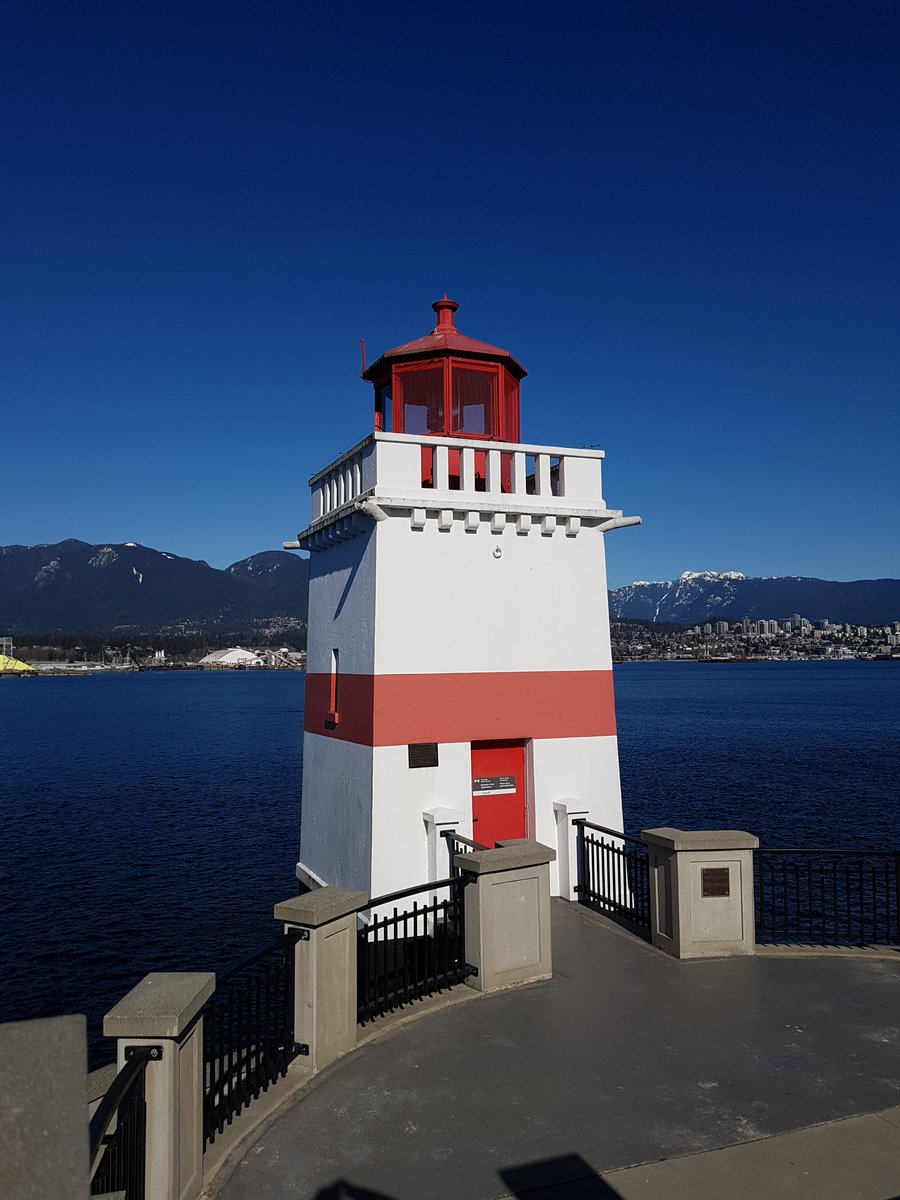
This historic lighthouse marks a scenic point along the eastern shore. It provides a clear view of the harbor and passing ships.
Pull over at the designated bike pull-out area.
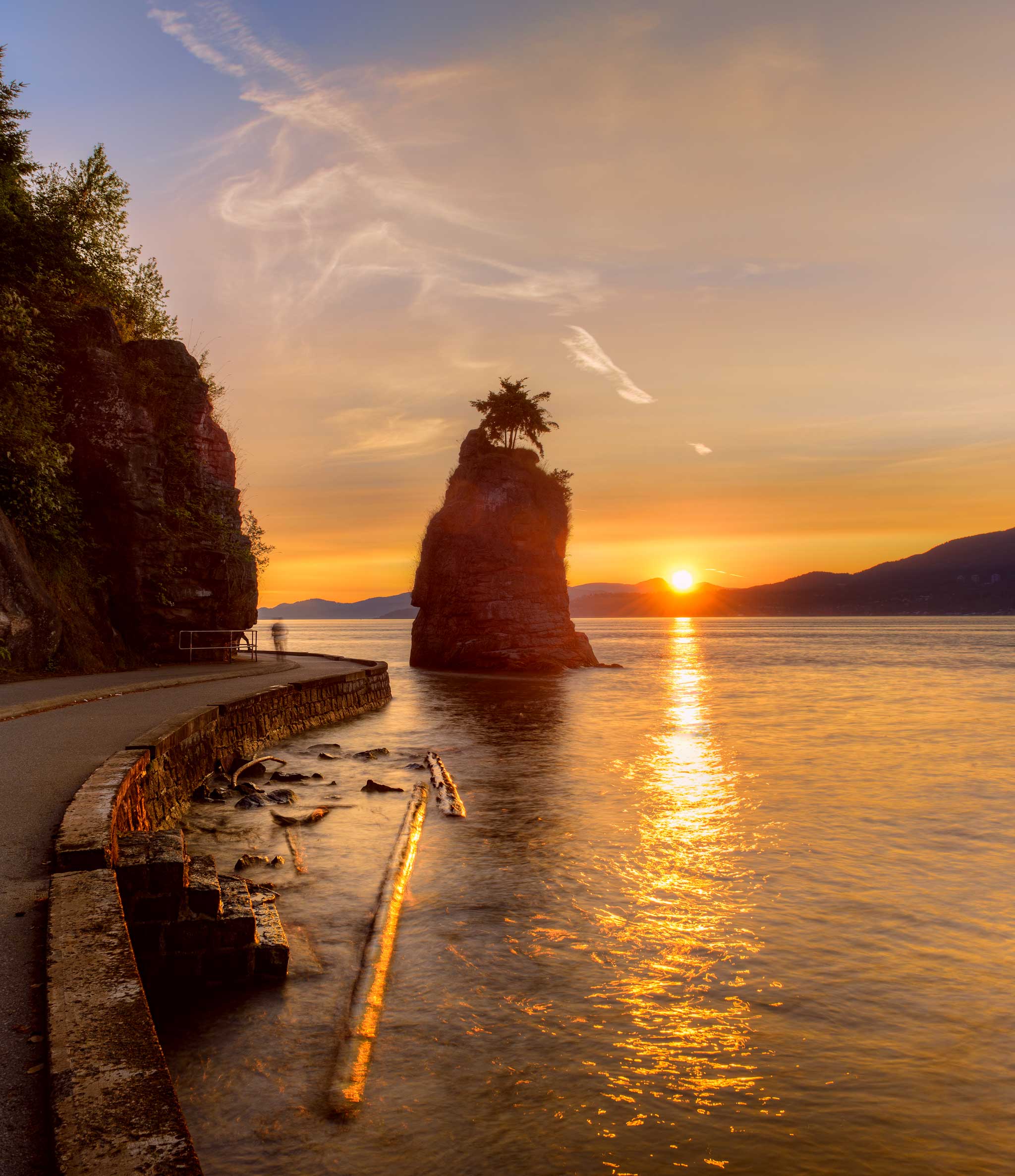
A 32-million-year-old rock formation rising from the water near the park's western side. It is a distinct natural landmark visible from the Seawall.
Use the viewpoint slightly above the path for photos.
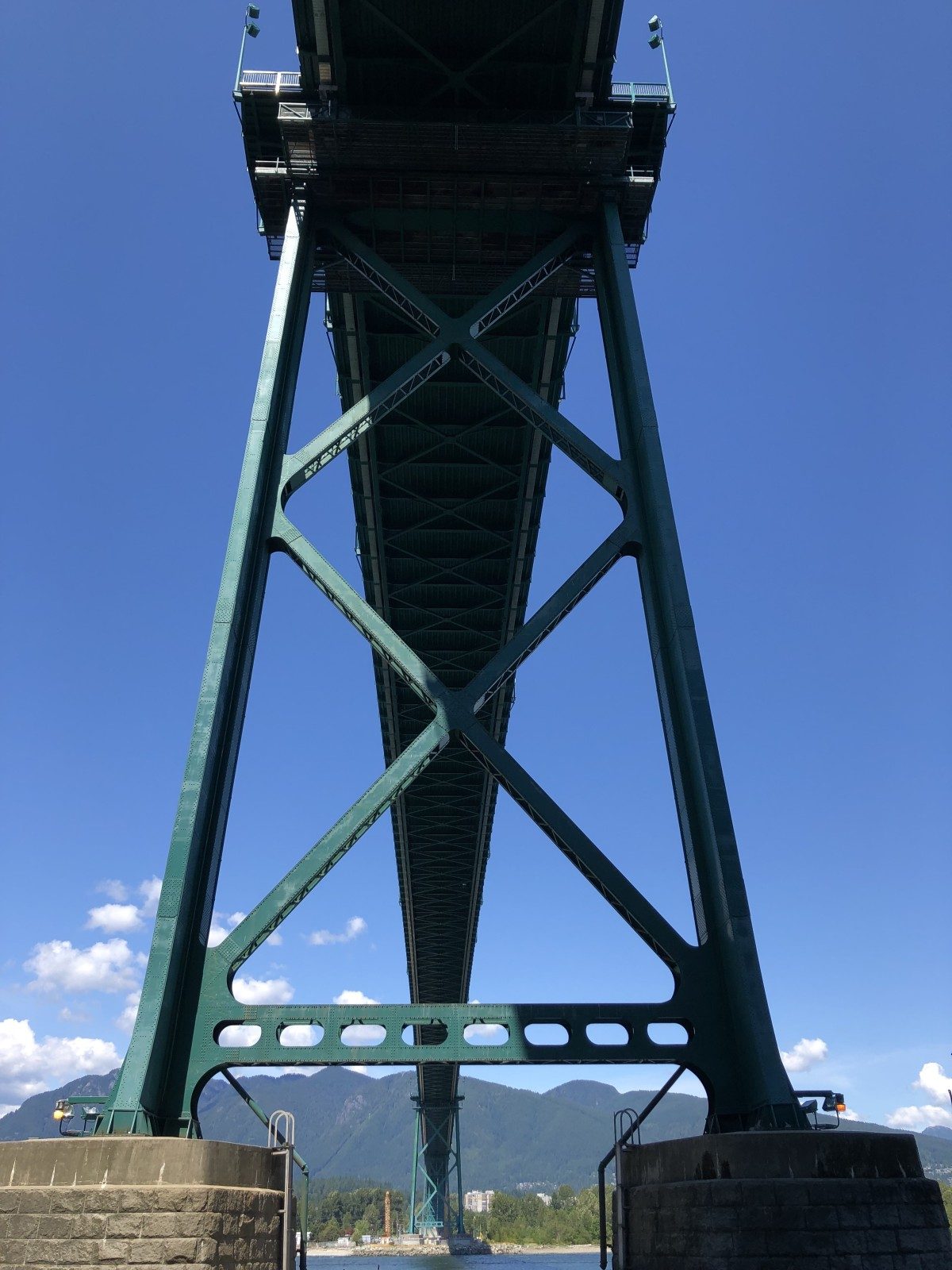
This suspension bridge connects Vancouver to the North Shore and spans the entrance to Burrard Inlet. Cyclists pass directly underneath its massive steel structure.
Look up while cycling to appreciate the scale.
Stanley Park is open daily to provide consistent access for visitors planning their cycling routes. The park maintains the same operating hours throughout the week.
Access to Stanley Park is free for all visitors. The total cost of your bike tour depends on whether you bring your own bicycle or utilize local rental services.
Verdict: A typical visitor pays 0 CAD for park admission, with total costs varying based on individual bike rental requirements.
A few quick checks will keep your ride smooth and on schedule.
Everything you need to know about how long does it take to bike around stanley park
For a casual rider, it generally takes between 1 to 2 hours to complete the loop without frequent stops. Many visitors find that how long does it take to bike around Stanley Park depends largely on their preferred pace and interest in the scenic viewpoints.
The Seawall is a flat, paved path that is very accessible for riders of all skill levels. While popular, knowing how long does it take to bike around Stanley Park allows you to plan your ride when the path is less congested.
We recommend arriving between 06:00 and 10:00 to enjoy the best light and avoid peak crowds. Starting early is a great strategy to maximize your time while exploring this famous Vancouver landmark.
Stanley Park has an entry fee of 0 CAD. Please note that while general park access is free, individual attractions located within the park may have their own separate fees.
There are several rental shops nearby that offer bikes for your self-guided journey. These facilities provide everything you need to enjoy the coastal views and forest trails found throughout the area.
If you choose to stop at major sights like the Totem Poles or Siwash Rock, plan for a longer excursion of 3 hours or more. This timeframe ensures you understand how long does it take to bike around Stanley Park while allowing for a relaxed pace.
Cyclists must follow the directional signage on the Seawall, which typically flows in a one-way counter-clockwise direction. Always remain aware of pedestrians and other riders to ensure a safe experience for everyone.